
Jesus' Authority in Action
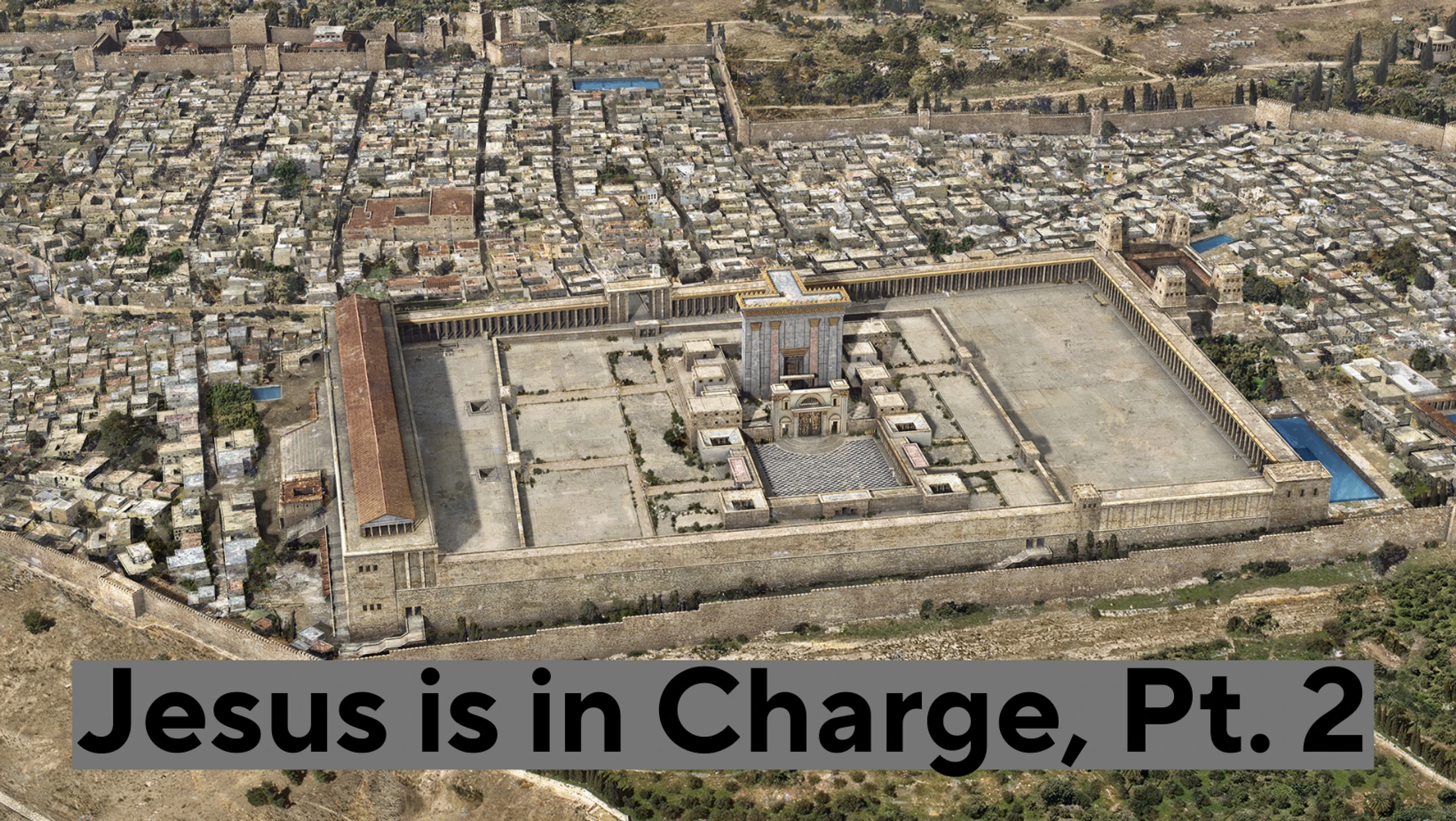
In Part 2 of our series on Jesus in charge, we continue to unpack Mark 11:1-33. Today, we examine Jesus’ authority in action through two striking events in Mark 11:12-25: the cursing of the fig tree and the cleansing of the temple.
The Fig Tree and the Temple: A Unified Message
At first glance, Jesus’ cursing of the fig tree and His overturning of the money changers’ tables in the temple seem unrelated. Yet, Mark inseparably links these events to reveal a profound truth. The fig tree, barren despite its leaves, symbolizes Israel’s spiritual fruitlessness, as seen in Jeremiah 8:13. Similarly, the temple, meant to be a house of prayer, had become a place of commerce and convenience under Caiaphas’ leadership. Jesus’ actions were not mere disruptions but a declaration that the old covenant system, like the fig tree, was fruitless and would be replaced by a new covenant in His blood.
By cursing the fig tree and cleansing the temple, Jesus asserted His authority to judge and redeem. The temple’s practices—while once necessary (Exodus 30:13-15)—had become corrupt and were a shadow of true worship. When Jesus died, the temple veil was torn (Mark 15:38), signifying that access to God is now through Christ alone. This is the heart of the gospel: we cannot earn God’s favor through works or rituals. Salvation is by grace alone, through faith alone, in Christ alone.
The Power of Prayer
When Peter marveled at the withered fig tree, Jesus responded by teaching about prayer (Mark 11:20-25). He debunked the notion that prayers were more effective near the temple, urging His disciples to “have faith in God.” Jesus’ reference to moving “this mountain” into the sea underscores God’s limitless power, accessible through faith-filled prayer. As Christians, we are called to pray boldly, trusting in God’s sovereignty and Christ’s authority, not in our own merits or location.
Application for Today
Do we pray “mountain-casting” prayers, or do we limit our requests to what seems possible? Let us approach God with faith, believing He can do the impossible. Prayer should be a source of comfort; let us rest in the finished work of Christ, trusting that His sacrifice has secured our place in God’s family, freeing us from any need to earn His love.
In part 3, we’ll conclude our series by examining how Jesus’ authority withstands attack and what it means for our lives.